বিশ্ববিদ্যালয়ের শিক্ষক ও শিক্ষার্থীদের অনলাইনে শিক্ষা কার্যক্রম অব্যাহত রাখতে এবার সাশ্রয়ী মূল্যে আকর্ষণীয় প্যাকেজে ডাটা প্যাক দিবে দেশের দ্রুতগতির মোবাইল নেটওয়ার্ক সেবাদাতা প্রতিষ্ঠান বাংলালিংক।
বাংলাদেশ বিশ্ববিদ্যালয় মঞ্জুরী কমিশন এবং বাংলালিংকের মধ্যে আজ সোমবার (২১ ডিসেম্বর) এক সমঝোতা স্মারক স্বাক্ষরিত হয়েছে। ইউজিসি সচিব (অতিরিক্ত দায়িত্ব) ড. ফেরদৌস জামান এবং বাংলালিংকের ইন্টারপ্রাইজ বিজনেসের পরিচালক রুবাইয়াত এ তাজনীন চুক্তিতে স্বাক্ষর করেন।
মাসিক ভিত্তিতে ১০ জিবি, ১৫ জিবি ও ৩০ জিবির তিনটি প্যাকেজে বাংলালিংকের ডাটা সুবিধা পাবেন ব্যবহারকারী। শিক্ষক ও শিক্ষার্থীরা বিডিরেনের প্লাটফর্ম ব্যবহার করে অনলাইন শিক্ষা কার্যক্রমে যুক্ত থাকতে পারবেন।
ইউজিসি চেয়ারম্যান প্রফেসর ড. কাজী শহীদুল্লাহ- এর সভাপতিত্বে ভার্চুয়াল সভায় ইউজিসি সদস্য প্রফেসর ড. মুহাম্মদ আলমগীর স্বাগত বক্তব্য প্রদান করেন। এছাড়া সভায় ইউজিসি সদস্য প্রফেসর ড. মো. সাজ্জাদ হোসেন, প্রফেসর ড. বিশ্বজিৎ চন্দ, প্রফেসর ড. মো. আবু তাহের এবং বাংলালিংকের চিফ কর্পোরেট অ্যান্ড রেগুলেটরি অফিসার তাইমুর রহমান প্রমুখ বক্তব্য রাখেন।
সভায় ইউজিসি চেয়ারম্যান প্রফেসর কাজী শহীদুল্লাহ কোভিড- ১৯ মহামারী সময়ে দেশের মোবাইল অপারেটর কোম্পানিগুলো অনলাইন শিক্ষা কার্যক্রমে এগিয়ে আসার জন্য ধন্যবাদ জানান।
এসময় তিনি বলেন, আকর্ষণীয় ডাটা অফারের মাধ্যমে শিক্ষক ও শিক্ষার্থীরা ব্যাপকভাবে উপকৃত হচ্ছেন। বাংলালিংক এ উদ্যোগে এগিয়ে আসার মাধ্যমে ব্যবহারকারী এখন পছন্দমতো ডাটা প্যাক ব্যবহার করতে পারবেন। তিনি বাংলালিংকসহ ইন্টারনেট সেবাদাতা প্রতিষ্ঠানসমূহকে করোনা ভাইরাস পরবর্তী সময়ে সাশ্রয়ী মূল্যে বিশেষ ডাটা প্যাক অব্যাহত রাখার আহ্বান জানান।
বাংলালিংকের চিফ কর্পোরেট অ্যান্ড রেগুলেটরি অফিসার তাইমুর রহমান বলেন, মহামারীর শুরু থেকেই শিক্ষার্থীদের বিভিন্ন সমস্যা চিহ্নিত করে সেগুলো ডিজিটাল উদ্যোগের মাধ্যমে সমাধানের চেষ্টা অব্যাহত রয়েছে। ইউজিসির সাথে এই চুক্তি শিক্ষার্থীদের স্বল্পমূল্যে ডাটা প্যাকেজ ব্যবহারের সুযোগের মাধ্যমে তাদের ঘরে থেকে শিক্ষাকার্যক্রম চালিয়ে যেতে সহযোগিতা করবে।
উল্লেখ্য, শিক্ষার্থী ও শিক্ষকদের অনলাইনে শিক্ষা কার্যক্রম চালু রাখতে সাশ্রয়ী মূল্যে ইন্টারনেট সেবা প্রদান করার জন্য গ্রামীণফোন লিমিটেড ও রবি আজিয়াটা লিমিটেডের সঙ্গে ইউজিসি চুক্তি স্বাক্ষর করে। এছাড়া, টেলিটক বাংলাদেশ লিমিটেড নামমাত্র খরচে ইন্টারনেট সেবা প্রদান করছে।
[Simon Dring, Daily Telegraph reporter, flew into Dacca, on March 6, as the political tension built up in East Pakistan. Dring, aged 26 describes how he eluded search parties that expelled foreign correspondents and stayed on to bring this first-hand account of the fighting out of the stricken state.
He left Dacca at the weekend and filed this report from Bangkok: As the Pakistani Army moved in force into Dacca last week to crush Sheikh Mujibur Rahman’s 25 day old independence movement all foreign journalists in East Pakistan, confined at gunpoint in the Intercontinental Hotel since the beginning of the fighting, were rounded up and deported to Karachi.
However, I evaded the round-up by hiding on the roof of the hotel. Then despite repeated attempts by the Army to find me and the only other foreign newsman to escape the net, Associated Press photographer Michel Laurent, I managed to make an extensive tour of the burning city and to see firsthand the extent of the slaughter the Government of Pakistan is trying to hide. I succeeded in getting on a plane to West Pakistan yesterday, missing a check by security men by minutes, and although I was twice stripped and my baggage thoroughly searched, got through with my notes intact to Bangkok to file my report.]
BY SIMON DRING in Bangkok, who was in Dacca during” the fighting—In the name of “God and a united Pakistan,” Dacca is today a crushed and frightened city.
After 24 hours of ruthless, cold-blooded shelling by the Pakistan Army as many as 7,000 people are dead, large areas have been levelled and East Pakistan’s fight for independence has been brutally put to an end. Despite claims by President Yahya Khan, head of the country’s military government, that the situation is now calm tens of thousands of people are fleeing to the countryside, the city streets are almost deserted and the killings are still going on in other parts of the province.
But there is no doubt that troops supported by tanks ■control the towns and major population centres and that resistance is minimal and so far ineffective.
Even so people are still being shot at the slightest provocation, and buildings are still being indiscriminately destroyed.
And the military appears to be more determined each ■day to assert its control over the 73 million Bengalees in the East wing.
It is impossible accurately to assess what all this has so far cost in terms of innocent human lives. But reports beginning to filter in from the outlying areas, Chittagong, Comilla and Jessore put the figure, including Dacca, in the region of 15,000 dead.
Only the horror of the military action can be properly gauged—the students dead in their beds, the butchers in the markets killed behind their stalls, the women and children roasted alive in their houses, the Pakistanis of Hindu religion taken out and shot ‘en masse’ the bazaars and shopping areas razed by fire and the Pakistani flag that now flies over every building in the capital.
Military casualties are not known but at least two soldiers bave been wounded and one officer killed. The Bengali uprising seems to be well and truly over for the moment. Sheikh Mujibur Rahman was seen being “taken away by the Army and nearly all the top members of “his Awami League party have also been arrested.
Armoured Attack Leading political activists have been taken in, others have been murdered and the offices of two newspapers which supported the Sheikh’s movement have been destroyed.
But the first target as the tanks rolled into Dacca on the night of the 25th was the students. An estimated three battalions of troops were used in the- attack on Dacca—one armoured, one artillery and one infantry. They started leaving the barracks shortly before 10p.m.
By 11 p.m. firing had broken out and the people who had started hastily erecting makeshift barricades—overturned cars,, trees stumps, furniture, concrete piping—became early casualties as the troops rolled into town.
Sheikh Mujib was telephoned and warned that something was happening, but he refused to leave his house. “If I go into hiding they will burn the whole of Dacca to find me,” he told an aide who escaped arrest.
200 Students Killed. The students were also warned but those who were still around later said that most thought they would only be arrested.
Led by American supplied M24 World War II tanks, one column of troops sped to Dacca University shortly after midnight. Troops took over the British Council library and used it as a fire-base to shell nearby dormitory areas.
Caught completely by surprise, some 200 students were killed in Iqbal Hall, headquarters of the militantly antigovernment students’ union, as shells slammed into the building and their rooms were sprayed with machine-gun fire.
Two days later bodies were still smouldering in their burnt out rooms, others were scattered outside and more floated in a nearby lake. An art student lay sprawled across his easel. Seven teachers died in their quarters and a family of 12 were gunned down as they hid in an out-house. The military removed many of the bodies, but the 30 still there could never have accounted for all the blood in the corridors of Iqbal Hall.
At another hall the dead were buried by the soldiers in a hastily-dug mass grave and then bulldozed over by tanks.
People living near the university were caught in the fire too and 200 yards of shanty houses running alongside a railway line were destroyed.
Army patrols also razed a nearby market area, running down between the stalls, killing their owners as they slept. Two days later, when it was possible to get out and see all this, some of the men were still lying as though asleep, their blankets pulled up over their shoulders. In the same district the Dacca Medical College received direct bazooka fire and a mosque was badly damaged.
Police H.Q. Attacked. As the university came under attack columns of troops moved in on the Rajarbag headquarters of the East Pakistan police on the other side of the city.
Tanks opened fire first and then the troops moved in and levelled the men’s sleeping quarters, firing incendiary rounds into the buildings.
It was not known, even by people living opposite how many died, but out of the 1,100 police based there, not many are believed to have escaped.
As this was going on other units had surrounded the Sheikh’s house. When contacted shortly before 1 a.m. he was expecting an attack any minute and that he had sent everyone except his servants and a bodyguard away to safety.
A neighbour said that at 1.10 a.m. one tank, an armoured car and trucks loaded with troops drove down the street firing over the house.
“Sheikh you should come down,” an officer called out in English as they stopped outside. Sheikh Mujibur Rahman replied by stepping out on to his balcony and saying ‘‘Yes. I am ready but there is no need to fire ; all you need to have done was call me on the telephone and I would have come”. The officer then walked into the garden of the house and told the Sheikh: “You are arrested.” He was taken away, along with .three servants, an aide and his bodyguard who was badly beaten up when he started to insult the officer.
Documents Taken. As he was driven off—presumably to Army headquarters the soldiers moved into the house, took away all documents, smashed everything in sight, locked the garden gate, shot down green, red and yellow “Bangladesh” (Free Bengal) flag and drove away.
By 2 a.m. on the 26th fires were burning all over the city. Troops had occupied the university and surrounding areas and were busy killing off students still in hiding and replacing independence flags with Pakistani national standards.
There was still heavy shelling in some areas but the fighting was noticeably beginning to slacken. Opposite the ‘Intercontinental Hotel, a platoon of troops, stormed the empty offices of Dacca’s ‘People’ newspaper, burning it down along with most houses in the area and killing a lone night-watchman.
Shortly before dawn most firing had stopped and as the sun came up an eerie silence settled over the city, deserted and completely dead except for the noise of the crows and the occasional convoy of troops. But the worst was yet to come. At midday, again without any warning, columns of troops poured into the old section of the city where more than a million people live in a sprawling maze of narrow, winding streets. For the next 11 hours they proceeded systematically to devastate large areas of the old town, where Sheikh Mujib had some of his strongest support among the people in Dacca.
English Road, French Road, Niar Bazaar, City Bazaar meaningless names but home to thousand of people were burnt to the ground.
“They suddenly appeared at the end of the street” said one old man living in the French Road-Niar Bazaar area. “Then they drove down it firing into all the houses.”
The lending unit was followed by soldiers carrying cans of petrol. Those who tried to escape were shot. Those who stayed were burnt alive. About 700 men, women and children died there that day between midday and two o’clock.
The same was repeated in at least three other areas, all of them covering anything up to half a square mile or more.
» As they left the soldiers took those dead they cotild away with them in trucks and moved on to their next target. Police station in the old town were also attacked.
‘‘I am looking for my constables,” a Police Inspector said on Saturday morning as he wandered through the ruins of one of the bazaars. ‘I have 240 in my district and.so far I have found only 30 of them—all dead.” One of the biggest massacres of the entire operation in- Dacca took place in the Hindu area of the old town. There the soldiers made the people come out of their houses and then just shot them in groups. This area, too, was eventually razed.
The troops stayed on in the old city in force until about 11 p.m. on the 26th driving about with local Bengali informers. The soldiers would fire a flare and the informer would point out the houses of staunch Awami League supporters. The house would then be destroyed—either with direct tank or recoilless rifle fire or with a can of petrol.
Meanwhile, troops of the East Bengal Regiment were being used in the suburbs, to start moving out towards the industrial’areas of the city—Tongi and Narayanganj—against centres of Leftist support for the Sheikh. Firing continued in these areas until early on Sunday morning but the main bulk of the operation in the city was completed by the night of the 26th—almost exactly 24 hours after it began.
One of the last targets was the Bengali language daily newspaper ‘Ittefaq’. Over 400 people had taken shelter in its offices when the fighting started.
At 4 o’clock on the afternoon of the 26th four tanks appeared in the road outside. By 4.30 p.m. the building was an inferno. By Saturday morning only the charred remains of corpses were left.
AH quickly a9 they appeared the troops disappeared off the utreets. On Saturday morning the radio announced the curfew would be lifted from 7 a.m. until 4 p.m.
It then repeated the Martial Law Regulations banning all political activity, announcing Press censorship and ordering nil Government employees to report back for work and for all privately-owned weapons to be handed in.
Thousands Flee Magically the city returned to life and panic set in. By 10 a.m., with palls of black smoke still hanging over large areas of the old town and out in the distance towards the industrial areas, the streets were packed with fleeing people.
By car, in rickshaw but mostly on foot carrying their possessions with them the people of Dacca were leaving. By midday they were on the move in their tens of thousands.
“Please give me a lift, I’m an old man,” “In the name of Allah help me.” “Take my children with you,” came the pleas.
Silent and unsmiling they passed and saw what the Army had done. It had been a thorough job, carefully planned and meticulously executed and they looked the other way and kept on walking. Down near one of the markets a shot was heard. Within second 2,000 people were running, but it had only been someone going to join the queues already forming to hand in their weapons.
The Government offices remained almost empty. Most employees were leaving for their villages. Those who were not fleeing wandered aimlessly around the smoking debris of what were once their homes, lifting the blackened, twisted sheets of corrugated iron used in most shanty areas as roofing materials to save what they could from the ashes.
Nearly every other car, if it was not taking people out into the countryside, was flying a Red Cross and convoying dead and wounded to the hospitals.
And in the middle of it all occasional convoyH of troops would appear, the soldiers peering unsmiling down the muzzles of their guns at the silent crowds.
On the Friday night as they pulled back to their barracks they shouted “Narai Tukbir”, an old Arabic war cry meaning “We have won the war.”
On Saturday when they spoke it was to shout “Pakistan Zindabad”, ‘‘Long live Pakistan”. Most people took the hint. Before the curfew was reimposed the national flag of Pakistan, apaft from petrol, was the hottest selling item on the market.
As if to protect their property in their absence^ the -last thing a family would do before they locked up their house would be to raise the flag.
At four o’clock the streets emptied again, the troops reappeared and silence fell once more over Dacca. But firing broke out again almost immediately. “Anybody out of doors after four will be shot,” the radio had announced.
A small boy running across the street outside the Intercontinental two minutes after curfew was stopped, slapped four times in the face by an officer and taken away in a jeep. Another unfortunate night-watchman, this time at the Dacca Club, a leftover bar from the colonial days, was shot when he went to shut the gate of the club. A group of Hindu Pakistanis living around a temple in the middle of the racecourse were all killed, apparently for no reason at all except they were out in the open. And refugees who came back into the city when they found roads leading out were blocked by the Army told how many had been killed as they tried to walk across country to avoid the troops.
Beyond those roadblocks is more or less a no man’s land, where the clearing operations are still going on. What is happening out there is anybody’s guess—except the Army’s. Many people took to the river to try to escape the crowds on the roads. But they ran the risk of being left stranded waiting for a boat when curfew fell. Where one such group was sitting on Saturday afternoon, (hero were only bloodstains next morning. “ Traitors)” Charge
Hardly anywhere was there evidence of organised resistance to the troops in Dacca or anywhere else in the province. Even the West Pakistani officers scoffed at the idea of anybody putting up a fight. “These men,” said one Punjabi lieutenant, “could not kill tiH if they tried.” “Things are much better now,” said another officer. “Nobody can speak out or come out. If they do we will kill them. They have spoken enough. They are traitors and we are not. We are fighting in the name of God and a united Pakistan.”
The operation, apparently planned and led by Gen. Tikka Khan, the West Pakistani military governor of the East, has succeeded in driving every last drop of resistance out of the people of Bengal.
Only the propaganda machine of the Indian Government Is keeping the fight going apart from a Leftist underground tfroup operating a clandestine “Bangla Desh” radio somewhere- outside Dacca.
Even if time erases the scars that marks the end of the dream that the people of East Pakistan thought was democrati- I’ttlly theirs, it will take more than a generation before they live down the fear instilled in their minds by the tragic and horrifying massacres of last week.
If tinything is to be salvaged from the ruins of Sheikh MuJllj’ii movement, it is the realisation that the Army is not to be nndcT-cstimated again and that for all the speech- maldnH of President Yahya about the returning of power to the people, I lie regime did not really ever intend to abide by the results of any election—fairly won or not.
Emmanuel Macron, you should follow your forefathers path and abstain from such types of Foulness job. Let have a look, how did they respect Prophet Mohammed (Peace Be Upon Him). What is your ancestors (famous non-Muslims) said about Islam and Prophet Muhammad PBUH!
Napoleon Bonaparte, Emperor of the French
I hope the time is not far off when I shall be able to unite all the wise and educated men of all the countries and establish a uniform regime based on the principles of Quran which alone are true and which alone can lead men to happiness.
Sir George Bernard Shaw, Playwright, Polemicist, Ireland
I have always held the religion of Muhammad in high estimation because of its wonderful vitality. It is the only religion which appears to me to possess that assimilating capacity to the changing phase of existence which can make itself appeal to every age. I have studied him – the wonderful man and in my opinion far from being an anti-Christ, he must be called the Saviour of Humanity.
I believe that if a man like him were to assume the dictatorship of the modern world he would succeed in solving its problems in a way that would bring it the much needed peace and happiness: I have prophesied about the faith of Muhammad that it would be acceptable to the Europe of tomorrow as it is beginning to be acceptable to the Europe of today.
H.G. Wells, Writer, England
The Islamic teachings have left great traditions for equitable and gentle dealings and behaviour, and inspire people with nobility and tolerance. These are human teachings of the highest order and at the same time practicable. These teachings brought into existence a society in which hard-heartedness and collective oppression and injustice were the least as compared with all other societies preceding it… Islam is replete with gentleness, courtesy, and fraternity.
Phillip K. Hitti, Professor, Harvard University
During all the first part of the Middle Ages, no other people made as important a contribution to human progress as did the Arabs, if we take this term to mean all those whose mother-tongue was Arabic, and not merely those living in the Arabian peninsula. For centuries, Arabic was the language of learning, culture and intellectual progress for the whole of the civilized world with the exception of the Far East. From the 9th to the 12th century there were more philosophical, medical, historical, religious, astronomical and geographical works written in Arabic than in any other human tongue.
R. Bosworth Smith, Author, England
He was Caesar and Pope in one; but he was Pope without Pope’s pretensions, Caesar without the legions of Caesar: without a standing army, without a bodyguard, without a palace, without a fixed revenue; if ever any man had the right to say that he ruled by the right divine, it was
Mohammed, for he had all the power without its instruments and without its supports. He cared not for the dressings of power. The simplicity of his private life was in keeping with his public life.
Sarojini Naidu, Poet & Political Activist, India
It was the first religion that preached and practised democracy; for, in the mosque, when the call for prayer is sounded and worshippers are gathered together, the democracy of Islam is embodied five times a day when the peasant and king kneel side by side and proclaim: ‘God Alone is Great’
Dr. William Draper, Photochemistry, United States
Four years after the death of Justinian, A.D. 569, was born in Mecca, in Arabia, the man who, of all men, has exercised the greatest influence upon the human race… To be the religious head of many empires, to guide the daily life of one-third of the human race, may perhaps justify the title of a Messenger of God.
Thomas Carlyle, Historian, England
The lies (Western slander) which well-meaning zeal has heaped round this man (Muhammad) are disgraceful to ourselves only.
A silent great soul, one of that who cannot but be earnest. He was to kindle the world, the world’s Maker had ordered so.
A. S. Tritton, Professo & British Arabist, Aligarh University
The picture of the Muslim soldier advancing with a sword in one hand and the Qur’an in the other is quite false.
De Lacy O’Leary, Orientalist, England
History makes it clear, however, that the legend of fanatical Muslims sweeping through the world and forcing Islam at the point of sword upon conquered races is one of the most fantastically absurd myths that historians have ever repeated.
Gibbon Ruark, Poet, United States
The good sense of Muhammad despised the pomp of royalty. The Apostle of God submitted to the menial offices of the family; he kindled the fire; swept the floor; milked the ewes; and mended with his own hands his shoes and garments. Disdaining the penance and merit of a hermit, he observed without effort of vanity the abstemious diet of an Arab.
Edward Gibbon and Simon Oakley, Historian & Writer, English
The greatest success of Mohammad’s life was effected by sheer moral force.
Edward Mantet, Modern Painter, France
Islam is a religion that is essentially rationalistic in the widest sense of this term considered etymologically and historically… the teachings of the Prophet, the Qur’an has invariably kept its place as the fundamental starting point, and the dogma of unity of God has always been proclaimed therein with a grandeur a majesty, an invariable purity and with a note of sure conviction, which it is hard to find surpassed outside the pale of Islam… A creed so precise, so stripped of all theological complexities and consequently so accessible to the ordinary understanding might be expected to possess and does indeed possess a marvellous power of winning its way into the consciences of men.
Mahatma Gandhi, lawyer & Political Ethicist, India
I wanted to know the best of the life of one who holds today an undisputed sway over the hearts of millions of mankind… I became more than ever convinced that it was not the sword that won a place for Islam in those days in the scheme of life. It was the rigid simplicity, the utter selfeffacement of the Prophet the scrupulous regard for pledges, his intense devotion to his friends and followers, his intrepidity, his fearlessness, his absolute trust in God and in his own mission. These and not the sword carried everything before them and surmounted every obstacle. When I closed the second volume (of the Prophet’s biography), I was sorry there was not more for me to read of that great life.
Alphonse de Lamartaine, Author & Statesman, France
If greatness of purpose, smallness of means, and astonishing results are the three criteria of a human genius, who could dare compare any great man in history with Muhammad? The most famous men created arms, laws, and empires only. They founded, if anything at all, no more than material powers which often crumbled away before their eyes. This man moved not only armies, legislations, empires, peoples, dynasties, but millions of men in one-third of the then inhabited world; and more than that, he moved the altars, the gods, the religions, the ideas, the beliefs and the souls.
Michael H. Hart, Astrophysicist & Author, United States
My choice of Muhammad to lead the list of the world’s most influential persons may surprise some readers and may be questioned by others, but he was the only man in history who was supremely successful on both the secular and religious level.
It is probable that the relative influence of Muhammad on Islam has been larger than the combined influence of Jesus Christ and St. Paul on Christianity.
lt is this unparalleled combination of secular and religious influence which I feel entitles
Muhammad to be considered the most influential single figure in human history.
John Medows Rodwell, Non-Muslim Islamic scholar, England
Mohammad’s career is a wonderful instance of the force and life that resides in him who possesses an intense faith in God and in the unseen world. He will always be regarded as one of those who have had that influence over the faith, morals and whole earthly life of their fellow men, which none but a really great man ever did, or can exercise; and whose efforts to propagate a great verity will prosper.
W. Montgomery Watt, Orientalist & Historian, England
His readiness to undergo persecution for his beliefs, the high moral character of the men who believed in him and looked up to him as a leader, and the greatness of his ultimate achievement all argue his fundamental integrity. To suppose Muhammad an impostor raises more problems that it solves. Moreover, none of the great figures of history is so poorly appreciated in the West as Muhammad.
Thus, not merely must we credit Muhammad with essential honesty and integrity of purpose, if we are to understand him at all; if we are to correct the errors we have inherited from the past, we must not forget the conclusive proof is a much stricter requirement than a show of plausibility, and in a matter such as this only to be attained with difficulty.
D. G. Hogarth, Archaeologist, England
Serious or trivial, his daily behaviour has instituted a canon which millions observe this day with conscious memory. No one regarded by any section of the human race as Perfect Man has ever been imitated so minutely.The conduct of the founder of Christianity has not governed the ordinary life of his followers. Moreover, no founder of a religion has left on so solitary an eminence as the Muslim apostle.
Washington Irving, Writer & Historian, United States
He was sober and abstemious in his diet and a rigorous observer of fasts. He indulged in no magnificence of apparel, the ostentation of a petty mind; neither was his simplicity in dress affected but a result of real disregard for distinction from so trivial a source.
In his private dealings he was just. He treated friends and strangers, the rich and poor, the powerful and weak, with equity, and was beloved by the common people for the affability with which he received them, and listened to their complaints.
His military triumphs awakened no pride nor vain glory, as they would have done had they been effected for selfish purposes. In the time of his greatest power he maintained the same simplicity of manners and appearance as in the days of his adversity. So far from affecting a regal state, he was displeased if, on entering a room, any unusual testimonials of respect were shown to him. If he aimed at a universal dominion, it was the dominion of faith; as to the temporal rule which grew up in his hands, as he used it without ostentation, so he took no step to perpetuate it in his family.
James Michener, Author, United States
No other religion in history spread so rapidly as Islam. The West has widely believed that this surge of religion was made possible by the sword. But no modern scholar accepts this idea, and the Qur’an is explicit in the support of the freedom of conscience.
Reference,
• Sir George Bernard Shaw in ‘The Genuine Islam,’ Vol. 1, No. 8, 1936. • Philip K. Hitti in ‘History of the Arabs’, England, 1937 • Dr. William Draper in ‘History of Intellectual Development of Europe’ • Thomas Carlyle in ‘Heroes and Hero Worship and the Heroic in History,’ 1840 • Gibbon in ‘The Decline and Fall of the Roman Empire’ 1823 • Arthur Glyn Leonard in ‘Islam, Her Moral and Spiritual Values’ • Reverend Bosworth Smith in ‘Muhammad and Muhammadanism,’ London, 1874. • Edward Gibbon and Simon Oakley in ‘History of the Saracen Empire,’ London, 1870 • Mahatma Gandhi, statement published in ‘Young India,’1924. • Alphonse de LaMartaine in ‘Historie de la Turquie,’ Paris, 1854. • Michael Hart in ‘The 100, A Ranking of the Most Influential Persons In History,’ New York, 1978. • Rodwell in the Preface to his translation of the Holy Qur’an • W. Montgomery Watt in ‘Muhammad at Mecca,’ Oxford, 1953. • D. G. Hogarth in ‘Arabia’, United States, 1922 • Washington Irving ‘Mahomet and His Successors’ • James Michener in ‘Islam: The Misunderstood Religion,’ Reader’s Digest, May 1955, pp. 68-70.
মানুষ সৃষ্টির সেরা জীব। মানুষকে আল্লাহ তাআলা নারী-পুরুষে বিভক্ত করে পৃথিবীতে পাঠিয়েছেন। মানুষের সৃষ্টি সম্পর্কে আল্লাহ তাআলা বলেন-
‘হে মানব সম্প্রদায়! তোমরা তোমাদের প্রতিপালককে ভয় কর। যিনি তোমাদের (নারী-পুরুষ) কে একটি প্রাণ থেকে সৃষ্টি করেছেন এবং তা থেকে তার সঙ্গীনি সৃষ্টি করেছেন। যিনি তাদের দু’জন থেকে বহু নর-নারী (পৃথিবীতে) বিস্তার করেছেন। সেই আল্লাহকে ভয় কর, যার নামে তোমরা একে অপরকে যাঞ্চা করে থাক এবং আত্মীয়তার বন্ধন ছিন্ন করাকে ভয় কর। নিশ্চয় আল্লাহ তোমাদের ওপর তীক্ষ্ণ দৃষ্টি রাখেন। (সুরা নিসা : আয়াত ১)
ইসলাম নারীকে দিয়েছে সর্বোচ্চ সম্মান ও মর্যাদা। ইসলামের আগমনের আগে সামাজিকভাবে নারীদের কোনো মর্যাদাই ছিল না। নারীদের প্রতি করা হতো অমানবিক আচরণ। প্রাক ইসলামি যুগের দিকে তাকালেই তা অনুধাবন করা যায় যে, নারীর মর্যাদা প্রদানে ইসলামের অবদান কতবেশি।
ছোট্ট একটি উপমাতেই তা সুস্পষ্ট হয়ে যাবে। আর তাহলো- ‘অপমান বা পাপ মনে করে কন্যা শিশুদের জীবন্ত কবর দেয়া ছিল তৎতকালীন সময়ের নিত্য দিনের ঘটনা।’
ইসলামের আগমনের আগে কন্যা শিশু জন্মদানকে পাপ বা অপমান মনে করা হতো। যে কারণে কন্যা জন্ম হওয়ার পর সে শিশুটির বেঁচে থাকার কোনো অধিকার ছিল না। সামাজিক মান-সম্মানের অজুহাতে ছোট্ট কন্যা শিশুকে জীবন্ত কবর দিয়ে দেয়া হতো।
ইসলাম এ অমানবিক সামাজিক বিপর্যয় থেকে প্রথমেই নারীর বাঁচার অধিকার প্রতিষ্ঠা করে মানুষের মর্যাদা প্রদান করেছে। জীবন্ত কবর দেয়ার মহামারী থেকে নারীকে বাঁচাতে প্রিয়নবি সাল্লাল্লাহু আলাইহি ওয়া সাল্লাম হাদিসে ঘোষণা করেছেন-
‘যার তিনটি কন্যা সন্তান থাকে বা তিনটা বোন থাকে বা দুটি কন্যা থাকে বা দুটি বোন থাকে; আর সে তাদের সঠিকভাবে লালন-পালন করে ও তাদের ব্যাপারে (অন্তরে) আল্লাহর ভয় রেখে কাজ করে; তার বিনিময় সে চিরস্থায়ী জান্নাতে পৌঁছে যাবে।’ (তিরমিজি)
ইসলামের প্রাথমিক যুগে কন্যা শিশুকে জীবন্ত হত্যা থেকে বাঁচাতে প্রিয়নবি সাল্লাল্লাহু আলাইহি ওয়া সাল্লাম নারী জাতির লালন-পালনের ব্যাপারে এ ফজিলতপূর্ণ হাদিস বর্ণনা করেন। অন্য হাদিসে প্রিয়নবি বলেছেন-
‘যার তিনটি কন্যা সন্তান থাকবে আর সে তাদের লালন-পালনের কষ্ট সহ্য করবে এবং সামর্থ্য অনুযায়ী তাদের ভরণ-পোষণ দেবে; কেয়ামতের দিন ওই কন্যা সন্তান তার জন্য জাহান্নামের পথে প্রতিবন্ধক তথা বাধা হয়ে দাঁড়াবে।’ (ইবনে মাজাহ)
ফজিলতমূলক নসিহত পেশ করার পর যখন কন্যা শিশুর প্রতি সহিংসতা কিছুটা কমে আসে; তখন প্রিয়নবি সাল্লাল্লাহু আলাইহি ওয়া সাল্লাম ঘোষণা করেন-
‘আমি তোমাদের গুরুত্বের সঙ্গে এ নির্দেশ দিচ্ছে যে, তোমরা নারীদের সঙ্গে ভালো ব্যবহার কর। তোমরা আমার এ নির্দেশ গ্রহণ কর।’ (বুখারি)
বর্তমান সময়ের মতো নারীদের পক্ষে যখন আন্দোলন বা অধিকার অধিকার বলে চিৎকার করার মতো কোনো মানুষ ছিল না; তখন প্রিয়নবি সাল্লাল্লাহু আলাইহি ওয়া সাল্লাম নারীর প্রতি ভালো ব্যবহার করার নির্দেশ প্রদান করেছিলেন। সে সময় নারীদেরকে শুধুমাত্র ভোগের সামগ্রী হিসেবেই হেয় তথা অপমানকর দৃষ্টিতে দেখা হত।
প্রিয়নবি সাল্লাল্লাহু আলাইহি ওয়া সাল্লাম অন্ধকার যুগের অজ্ঞ ও বর্বর মানুষের কাছে নারীদের সর্বোত্তম মর্যাদা ও সম্মানের কথা তুলে ধরে বলেছিলেন-
‘মায়ের পায়ের তলে রয়েছে জান্নাত।’
যাতে কোনো মানুষ এ মায়ের জাতি নারীদের সঙ্গে খারাপ বা অন্যায়মূলক কোনো আচরণ করতে না পারে।
আল্লাহ তা’আলা মুসলিম উম্মাহকে নারীর অধিকার ও মর্যাদা যথাযথ আদায় করার তাওফিক দান করুন। দুনিয়ার সব নারীকে ইসলামের সুমহান পতাকা তলে আশ্রয় লাভের জন্য কবুল করুন। সব নারীকে ইসলামের সুন্দর জীবনাচারে নিজেদের নিয়োজিত রাখার তাওফিক দান করুন। কুরআন-সুন্নাহভিত্তিক আদর্শ জীবন ব্যবস্থা গ্রহণে নারী হোক আত্ম-প্রত্যয়ী।
ধর্ষণ একটি সামাজিক ব্যাধি। নারীদের একার সমস্যা নয় এটা। কেননা, কোন পুরুষের বোন, স্ত্রী এবং মা’ই এই ধর্ষণের শিকার হচ্ছে, আর সেখানে পুরুষ ধর্ষকের বিরুদ্ধে এবং নারীর পক্ষেই সোচ্চার হয়ে ওঠে। তাই, আবারও বলছি ধর্ষণ একটি সামাজিক ব্যাধি। বর্তমান সময় তা ভয়ংকর রুপ নিয়েছে সারাবিশ্বে তথা বাংলাদেশে। কোন ভাবেই রাষ্ট্র এর দায় এড়াতে পারে না। তবে ধর্ষণ প্রতিরোধে কি করা প্রয়োজন আর আমরা কি কি করছি?
ধর্ষণ প্রতিরোধে বিভিন্নভাবে প্রতিবাদ করছে নানা মানুষ। তবে ধর্ষণের প্রতিরোধে একধরনের মিথস্ক্রিয়া ব্যাপকভাবে ছড়িয়ে পড়ছে সামাজিক যোগাযোগ মাধ্যমগুলোতে। প্রতিবাদের প্রক্রিয়াও নানা ভাবে বিতর্কিত।
পুরুষের একাংশ দাবী তুলছে, নারীরা পুরুষের সাথে অবাধ মেলামেশা বন্ধ ও বোরকা–হিজাব তথা শালীন পোশাক পড়লেই ধর্ষণের হার কমে যাবে। অপরদিকে একদল নারী দাবী করছে পুরুষের দৃষ্টিতে সমস্যা। নারীরা যে পোশাকই পরিধান করুক না কেন পুরুষরা যদি নারীদের প্রতি দৃষ্টি অবনত রাখে তাহলেই ধর্ষণের হার কমবে। তাদের দাবী, যদি শালীন পোষাক পড়লে ধর্ষণের হার কমে তাহলে শিশু ও বৃদ্ধ বয়সী নারী কেন ধর্ষণের শিকার হচ্ছে? এটিও যুক্তিযুক্ত।
সম্প্রতি বিভিন্ন স্থানে গণধর্ষণের ঘটনা ঘটে যা দেখে নির্ধিদ্বায় বলা যায়, সমাজের পচন ধরেছ আর মানুষ হয়ে পড়েছে বিকারগ্রস্থ জানোয়ার। কেননা, ধর্ষণের ঘটনা গুলো বিশ্লেষণ করলে দেখা যায়, জনসাধারণ থেকে শুরু করে মসজিদের ইমাম, মন্দিরের পুরোহিত, গীর্জার ফাদার, স্কুল, কলেজ, বিশ্ববিদ্যালয় ও মাদরাসার শিক্ষক, ছাত্রলীগ, ছাত্রদল, ছাত্র ইউনিয়ন, ছাত্রফ্রন্ট, ক্ষমতাসীন ও রাষ্ট্রের দায়িত্বপ্রাপ্তরা কেউ-ই বাদ যায় নি এই ঘৃণিত অপকর্ম থেকে। এমনকি নারীবাদী নেতা-কর্মীরাও এই ঘৃণিত অপকর্মের সাথে যুক্ত। যারা সর্বদা নারীদের অধিকার আদায়ের জন্য সোচ্চার থাকে।
এবার আসুন, নারীর পোশাক ও অবাধ মেলামেশা ধর্ষণ বা গণধর্ষণের জন্য যতটুকু দায়ী, ঠিক বিকারগ্রস্ত পুরুষের দৃষ্টি ও মাদকাসক্তরা তততুটুই দায়ী। বর্তমান সমাজে নারীদের ভোগ্যপণ্য করে তোলার চরম প্রতিযোগিতায় নেমেছে একটি মহল, আর এটির নামও দিয়েছে নারীর সম-অধিকার।
নারী স্বাধীনতা পেলে কি ধর্ষণের হার কমে যাবে? নারী স্বাধীনতায় ইউরোপ-আমেরিকার দেশগুলো সবচেয়ে এগিয়ে। তবে সেখানে কি ধর্ষণের হার কম? বরং ধর্ষণের রোল মডেল হিসেবে দাড়িয়েছে ইউরোপ-আমেরিকা। আপনি কি জানেন?
UN World Population Prospect 2020 – অনুযায়ী, দক্ষিণ আফ্রিকায় ধর্ষণের হার ১৩২.৪০%( প্রতি ০১ লক্ষ নারীতে ১৩২.৪০ নারী), বোতসোয়ানায় ধর্ষণের হার ৯২.৯০%, একইভাবে লেসোথে ৮২.৭%, সোয়াজিল্যান্ডে ৭৭.৫%, বারমুডাতে ৬৭.৩%, সুইডেনে ৬৩.৩%, সুরিনামে ৪৫.২%, কোস্টারিকায় ৩৬.৭%, নিকারাগুয়ায় ৩১.৬%, গ্রানাডায় ৩০.৬% অস্ট্রেলিয়াতে ২৮.৬০% এবং যুক্তরাষ্ট্রে ২৭.৩%।
তবে গত কয়েক বছরের তুলনায় বাংলাদেশে ধর্ষণের হার বেড়ে এখন ৯.৮২%।
একইভাবে মধ্যেপ্রাচ্যের দেশগুলোর দিকে তাকালে দেখা যায় ভিন্ন চিত্র যা রীতিমতো অবাক করার মত। কাতার, আরব আমিরাত, তুরস্ক, সিরেয়া লিওন, সিরিয়া, আলবেনিয়া, সার্বিয়া, তুর্কিমিনিস্তান, লেবানন, তাজিকিস্তান, আজারবাইজান, মোজাম্বিক ও মিশরে ধর্ষণের হার ০.১-২% এর মধ্যে। এইদেশসমূহের জন্য নারীর পোশাকের কি প্রভাব ফেলে নি? এখানে নারীর সম-অধিকার ছিল? আমি বলব এখানে নারীর সম-অধিকার ছিল না, এখানে নারীর মর্যাদা’ই বেশি ছিল।
বাংলাদেশের প্রেক্ষাপটে ধর্ষণের জন্য নারী–পুরুষ অবাধ মেলামেশা, মাদকাসক্তি, যৌন সুড়সুড়িপূর্ণ পরিবেশ ও নারীর পোষাক যেমন দায়ী, তেমনি দায়ী রাষ্ট্র। কারণ, রাষ্ট্র আইনের সঠিক প্রয়োগে ব্যর্থ।
তবে আইনের সঠিক প্রয়োগ করলেও বর্তমান বাংলাদেশের আইন ধর্ষণকে নিবৃত করতে পারবে না, প্রয়োজন আরও কঠোর আইন। আবার শুধু কঠোর আইন প্রয়োগ করলেই যে এই ঘৃণিত অপরাধ চরমভাবে হ্রাস পাবে তেমনটিও নয়। কারণ, আমাদের সমাজের ভিতরে অসংখ্য উপাদান আছে যা ধর্ষণ বা নারীর প্রতি সহিংসতাকে উসকে দেয়৷ আমাদের সমাজে এখানো নারীকে ভোগের সামগ্রী মনে করা হয়৷ তাকে সেভাবে উপস্থাপনও করা হয় বিভিন্ন মাধ্যমে।
তাই, মানুষ যতক্ষণ না পর্যন্ত ধর্মীয় শিক্ষা ও মূল্যবোধ না জাগ্রত হয় ততক্ষণ পর্যন্ত আশানুরূপ ফল পাওয়া যাবে না।
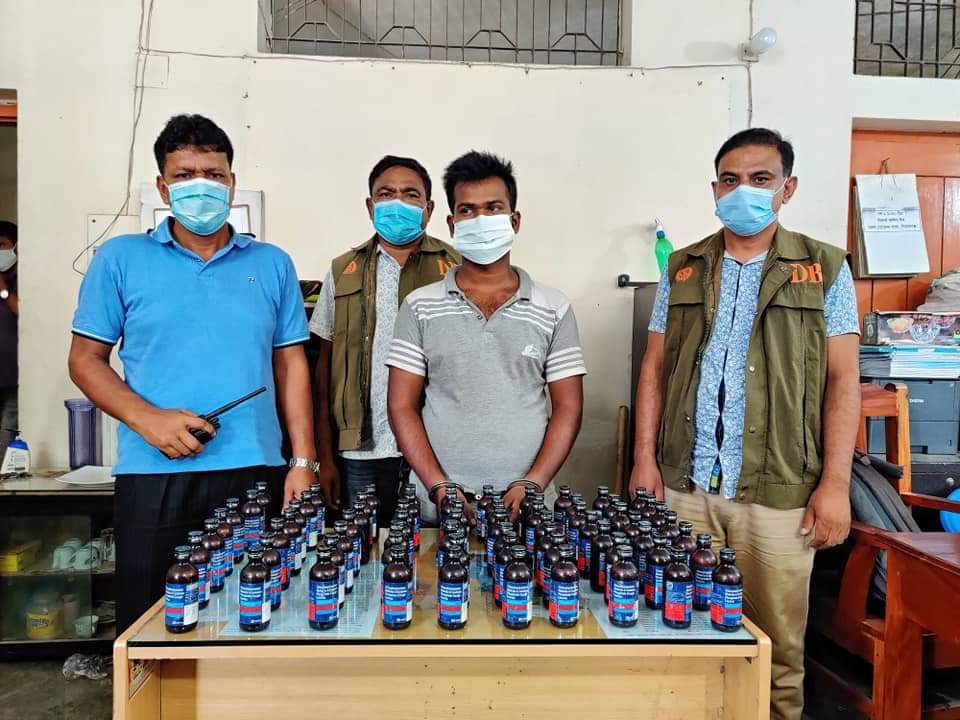
সিরাজগঞ্জ সদরে ৭০ বোতল ভারতীয় ফেনসিডিল সহ ০১ আসামী গ্রেফতার করেন জেলা গোয়েন্দা শাখা। অভিযানটি পরিচালনা করেন গোয়েন্দা পুলিশের এস আই মোঃ নাজমুল হক।
রবিবার (২০ সেপ্টেম্বর) রাতে গোপন সংবাদের ভিত্তিতে বঙ্গবন্ধু সেতু পশ্চিম থানাধীন কড্ডার মোড় থেকে আসামী মোঃ সোহেল রানা (২৮) কে ৭০ বোতল ভারতীয় ফেনসিডিল সহ আটক করেন জেলা গোয়েন্দা পুলিশ।
গোয়েন্দা পুলিশ সুত্রে জানা যায়, আসামী মোঃ সোহেল রানা (২৮) টাঙ্গাইল জেলার গোপালপুর থানার ভেংগুলা গ্রামের মোঃ নুরুল ইসলাম (৭০) এর ছেলে। এই সংক্রান্তে বঙ্গবন্ধু সেতু পশ্চিম থানায় মামলা দায়ের করেন গোয়েন্দা পুলিশ।
এ অভিযানে সার্বিক সহায়তা করেন সিরাজগঞ্জ জেলা পুলিশ সুপার হাসিবুল আলম, বিপিএম ও ওসি ডিবি মোঃ মিজানুর রহমান।
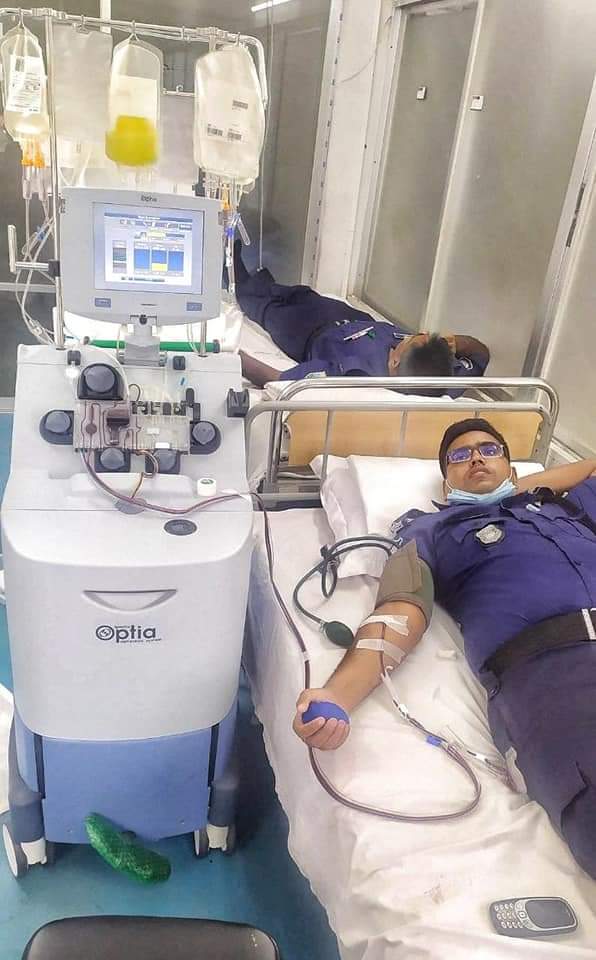
ঢাকার রাজারবাগ পুলিশ হাসপাতালে চিকিৎসাধীন করোনা রোগীদের পাশে দাঁড়িয়েছেন সিরাজগঞ্জ জেলার পুলিশ বাহিনীর ১৭ সদস্য।
আজ শনিবার (২০ সেপ্টেম্বর) সকালে পুলিশ সুপার হাসিবুল আলম, বিপিএম এর দিকনির্দেশনায় রাজারবাগ পুলিশ হাসপাতালে চিকিৎসাধীন করোনা রোগীদের প্লাজমা দানের জন্য সিরাজগঞ্জ পুলিশ লাইনস্ থেকে বাস যোগে ঢাকার উদ্দেশ্যে জেলা পুলিশের ১৭ সদস্যকে প্রেরণ করেছেন।
এসময় মোঃ শরাফত ইসলাম, অতিরিক্ত পুলিশ সুপার (সদর), সিরাজগঞ্জ সহ জেলা পুলিশের অন্যান্য ঊর্ধ্বতন কর্মকর্তাগণ উপস্থিত ছিলেন।
দেশের বিভিন্ন দুর্যোগ, মহামারীসহ সকল সময় মানুষের পাশে থাকে পুলিশ বাহিনীর সদস্যরা।
জানা যায়, জেলা পুলিশের প্রায় ১২০ জন সদস্য ইতোমধ্যে করোনার সঙ্গে যুদ্ধ করে জয়ী হয়েছেন। এদের মধ্যে আজ ১৭জন প্লাজমা দান করেছেন।
উল্লেখ্য, জেলা পুলিশের ১৩০ জন সদস্য করোনার আক্রান্ত হয়েছিলেন, এর মধ্যে ১২০ জন সুস্থ হয়ে উঠেছেন। বাকীরা চিকিৎসাধীন রয়েছেন। আক্রান্তদের মধ্যে এক ইন্সপেক্টর মৃত্যুবরণ করেছেন।
সিরাজগঞ্জ জেলার বেলকুচি উপজেলার বিভিন্ন স্থানে অভিযান পরিচালনা করেন ভ্রাম্যমাণ আদালত। এ অভিযান পরিচালনা করেন উপজেলা নির্বাহী অফিসার ও নির্বাহী ম্যাজিস্ট্রেট মোঃ আনিসুর রহমান।
শুক্রবার (১৮ সেপ্টেম্বর) দুপুর হতে গভীর রাত পর্যন্ত অভিযান চালিয়ে এ বাল্যবিবাহগুলো বন্ধ করা হয়। প্রথম অভিযান পরিচালনা করেন বিকেল ০৪ ঘটিকায় বেলকুচি উপজেলার রাজাপুর ইউনিয়নের সমেশপুর গ্রামে অষ্টম শ্রেণীর ছাত্রী (১৩),
বিকাল ৫ টায় পৌরসভার সোহাগপুর গোহাটা এলাকায় অষ্টম শ্রেণীর ছাত্রী(১৩), সন্ধ্যা ৬ টায় দৌলতপুর ইউনিয়নের শোলাকুড়া গ্রামে নবম শ্রেনীর ছাত্রী (১৪), রাত ৮ টায় দৌলতপুর ইউনিয়নের ক্ষিদ্রগোপরেখী গ্রামে একাদশ শ্রেণীর ছাত্রী (১৭) এবং রাত ৯.০০ টায় ধুকুরিয়া বেড়া ইউনিয়নের ধুকুরিয়া বেড়া গ্রামে দশম শ্রেনীর ছাত্রী (১৬) এর বাল্যবিবাহ বন্ধ করেন ভ্রাম্যমাণ আদালত।
এ অভিযানে বাল্যবিবাহগুলো বন্ধ করে অভিভাবকদের জরিমানা করা হয়। প্রত্যেক কনের বাবার কাছ থেকে কনে প্রাপ্তবয়স্ক না হওয়া পর্যন্ত বিবাহ দিবেন না বলে মুচলেকা নেয়া হয়।
এ অভিযানে সার্বিক সহযোগিতা করেন উপজেলা মহিলা বিষয়ক কর্মকর্তা মোছাঃ কাশ্মীর সুলতানা, পেশকার মোঃ হাফিজ উদ্দিন, বেলকুচি থানা পুলিশ ও আনসার বাহিনীর সদস্যবৃন্দ।
কথাসাহিত্যিক, নাট্যকার, চলচ্চিত্র নির্মাতা, গীতিকার, শিক্ষক হুমায়ুন আহমেেদ বিংশ শতাব্দীর জনপ্রিয় বাঙালি কথাসাহিত্যিকদের মধ্যে অন্যতম। তাকে বাংলাদেশের স্বাধীনতা পরবর্তী অন্যতম শ্রেষ্ঠ লেখক বলে গণ্য করা হয়। বাংলা কথাসাহিত্যে তিনি সংলাপপ্রধান নতুন শৈলীর জনক।
হুমায়ূন আহমেদ ১৯৪৮ খ্রিষ্টাব্দের ১৩ নভেম্বর তৎকালীন পূর্ব পাকিস্তানের ময়মনসিংহ জেলার অন্তর্গত নেত্রকোণা মহুকুমার মোহনগঞ্জে তার মাতামহের বাড়িতে। তাঁর পৈত্রিক বাড়ি নেত্রকোনা জেলার কেন্দুয়া উপজেলার কুতুবপুর গ্রাম। তাঁর পিতা ফয়জুর রহমান আহমেদ এবং মা আয়েশা আখতার খাতুন (বর্তমানে আয়েশা ফয়েজ নামে পরিচিত)।
১৯৫৫ সালে সিলেটের কিশোরী মোহন পাঠশালায় (বর্তমান কিশোরী মোহন (বালক) সরকারি প্রাথমিক বিদ্যালয়)। সেখানে তিনি ১৯৫৯ সাল পর্যন্ত পড়াশোনা করেছিলেন। তিনি ১৯৬৩ সালে বগুড়া জিলা স্কুলে নবম শ্রেণিতে ভর্তি হন। ১৯৬৫ সালে তিনি এই বিদ্যালয় থেকে ম্যাট্রিক পরীক্ষা দেন এবং রাজশাহী শিক্ষা বোর্ডে দ্বিতীয় স্থান অধিকার করেন। তিনি পরে ঢাকা কলেজে ভর্তি হন এবং সেখান থেকে বিজ্ঞান বিভাগে উচ্চ মাধ্যমিক পাস করেন। তিনি ঢাকা বিশ্ববিদ্যালয়ে রসায়ন শাস্ত্রে অধ্যয়ন করেন এবং প্রথম শ্রেণীতে বিএসসি (সম্মান) ও এমএসসি ডিগ্রি লাভ করেন।
১৯৭৩ সালে ময়মনসিংহে অবস্থিত বাংলাদেশ কৃষি বিশ্ববিদ্যালয়ে প্রভাষক হিসেবে কর্মজীবন শুরু করেন। তার বেতন ছিল ৬৫০ টাকা। এই বিশ্ববিদ্যালয়ে কর্মরত অবস্থায় তিনি তার প্রথম ছোটগল্প রচনা করেন। সৌরভ নামক গল্পটি বিচিত্রা পত্রিকায় প্রকাশিত হয়েছিল। ১৯৭৪ সালে তিনি ঢাকা বিশ্ববিদ্যালয়ের রসায়ন বিভাগে যোগদান করেন।
১৯৯০ সালের মাঝামাঝি সময়ে তিনি অধ্যাপনা পেশা থেকে অবসর গ্রহণ করেন এবং সার্বক্ষণিক সাহিত্যর্চ্চায় মনোনিবেশ করেন। এর পাশাপাশি চলে নাটক ও চলচ্চিত্র নির্মাণ।
বাংলা কথাসাহিত্যে হুমায়ূন আহমেদ একজন ব্যতিক্রমী লেখক। রচনার ব্যাপ্তি, বিষয়ের বৈচিত্র্য, চরিত্র নির্মাণ, রচনাশৈলী, সংলাপ প্রভৃতি মিলিয়ে তিনি এক অভিনব ধারা সৃষ্টি করেন, যা একান্তই তাঁর নিজস্ব শৈলী হিসেবে স্বীকৃত। তাঁর উপস্থিত বুদ্ধিজাত প্রকাশ ও রসবোধের কারণে তাঁর রচনা সহজেই পাঠকের চিত্ত স্পর্শ করে। বাংলাদেশের কথাসাহিত্যের গতানুগতিক ধারাকে অতিক্রম করে হুমায়ূন আহমেদ নির্মাণ করেন এক স্বতন্ত্র ভুবন। একজন সফল লেখক হিসেবে সাহিত্য-শিল্পের বিভিন্ন শাখায় স্বচ্ছন্দ বিচরণ তাঁকে এনে দেয় বিপুল জনপ্রিয়তা। বহুমাত্রিকতা তাঁর রচনার অন্যতম বৈশিষ্ট্য ।
ছাত্রজীবনে লেখা নন্দিত নরকে শিরোনামের নাতিদীর্ঘ উপন্যাসের মধ্য দিয়ে বাংলা সাহিত্যে হুমায়ূন আহমেদের আবির্ভাব। ১৯৭২ সালে তিনি উপন্যাসটি রচনা করেন এবং সে বছরই উপন্যাসটি গ্রন্থাকারে প্রকাশিত হয়। নন্দিত নরকে বাংলাদেশের পাঠকদের মধ্যে ব্যাপক সাড়া জাগায়। তাঁর দ্বিতীয় উপন্যাস শঙ্খনীল কারাগার (১৯৭৩)। গল্প, উপন্যাস, সায়েন্স ফিকশন, শিশুতোষ গ্রন্থ, নাটক, প্রবন্ধ, আত্মজৈবনিক রচনা প্রভৃতি মিলিয়ে তাঁর গ্রন্থের সংখ্যা তিন শতাধিক। তাঁর শেষ উপন্যাস দেয়াল (অপ্রকাশিত-পটভূমি ১৯৭৫ সালে বঙ্গবন্ধুর নির্মম হত্যাকান্ড ও তৎকালীন রাজনৈতিক ঘটনা)। বাংলাদেশের মুক্তিযুদ্ধের পটভূমিতে লেখা জনপ্রিয় উপন্যাস জোছনা ও জননীর গল্প। হুমায়ূন আহমেদকে বাংলাদেশের সায়েন্স ফিকশনের পথিকৃৎ বলা যায়। তাঁর অন্যতম সায়েন্স ফিকশন তোমাদের জন্য ভালোবাসা। ঐতিহাসিক প্রেক্ষাপটে রচিত উল্লেখযোগ্য উপন্যাস মধ্যাহ্ন এবং বাদশাহ নামদার। আত্মজৈবনিক রচনায়ও তিনি স্বচ্ছন্দ। তাঁর স্মৃতিকথাগুলো সুখপাঠ্য।
বিষয়বসস্তুর দিক থেকে হুমায়ূন আহমেদের গ্রন্থসম্ভার কয়েকটি শ্রেণিতে বিন্যাস করা যায়। যেমন: মুক্তিযুদ্ধ বিষয়ক উল্লেখযোগ্য গ্রন্থ: শ্যামল ছায়া (১৯৭৪), আগুনের পরশমণি (১৯৮৬), বহুব্রীহি (১৯৯০), শ্রাবণ মেঘের দিন (১৯৯০), কোথাও কেউ নেই (১৯৯২), মেঘ বলেছে যাব (১৯৯৭) ইত্যাদি উল্লেখযোগ্য। আরও রয়েছে সায়েন্স ফিকশন, শিশু-কিশোর গ্রন্থ, আত্মজৈবনিক গ্রন্থ, হিমু সিরিজ, মিসির আলি সিরিজ, শুভ্র সিরিজ প্রভৃতি।
১৯৭৩ সালে প্রিন্সিপাল ইব্রাহিম খানের নাতনি গুলতেকিন খানকে বিয়ে করে হুমায়ূন আহমেদ সংসার জীবন আরম্ভ করেন। এই দম্পতির তিন মেয়ে ও এক ছেলে। ২০০৩ সালে গুলতেকিনের সঙ্গে বিচ্ছেদ ঘটার পর হুমায়ূন আহমেদ ২০০৫ সালে বিয়ে করেন অভিনেত্রী মেহের আফরোজ শাওনকে। হুমায়ূন-শাওন দম্পতির দুটি পুত্র সন্তান। ২০১২ সালের ১৯ জুলাই আমেরিকার নিউইয়র্কে মৃত্যু বরণ করেন। গাজীপুরের ‘নুহাশ পল্লী’-তে তাঁকে সমাহিত করা হয়।
ঢাকা মহানগর দায়রা আদালত ৯ সেপ্টেম্বর নির্যাতন এবং হেফাজতে মৃত্যু (নিবারণ) আইন, ২০১৩-এর অধীনে একটি মামলায় পুলিশের তিন সদস্যকে যাবজ্জীবন এবং দুজন কথিত ‘সোর্স’কে সাত বছরের কারাদণ্ডে দণ্ডিত করেছেন। এ আইনের অধীনে আইনশৃঙ্খলা রক্ষাকারী বাহিনীর কোনো সদস্যের আদালত কর্তৃক দোষী সাব্যস্ত হওয়ার ঘটনা এটাই প্রথম।
ড. শাহদীন মালিক: আইনজীবী, বাংলাদেশ সুপ্রিম কোর্ট এবং ইউনিভার্সিটি অব এশিয়া প্যাসিফিকের আইনের শিক্ষকের লেখায় – ইদানীং প্রায় প্রত্যেক আইজিপির দায়িত্ব পালনকালে কয়েক শ নাগরিক আইনশৃঙ্খলা রক্ষাকারী বাহিনীর হাতে নিহত হয়েছেন। এসব হত্যাকে আমরা বিভিন্ন সময় বিভিন্ন নাম দিয়েছি: ক্রসফায়ার, এনকাউন্টার, বন্দুকযুদ্ধ, আত্মরক্ষা এবং আরও কত কিছু। আমরা বহু বছর ধরে বিচারবহির্ভূত হত্যাকাণ্ড নিয়ে সমালোচনা করছি, লেখালেখি হচ্ছে প্রচুর, জাতীয় ও আন্তর্জাতিক মানবাধিকার সংগঠনগুলো সরকারকে বিচারবহির্ভূত হত্যা থেকে সরে আসতে আহ্বান জানিয়ে জানিয়ে ক্লান্ত হয়ে গেছে। মেজর (অব.) সিনহা হত্যাকাণ্ডের পর আজ পর্যন্ত বিচারবহির্ভূত হত্যা বন্ধ আছে। ফলে এখন এটা দিবালোকের মতো পরিষ্কার যে এসব হত্যাকাণ্ডের বেশির ভাগই ছিল পূর্বপরিকল্পিত। ক্রসফায়ারে দেওয়ার হুমকি দিয়ে কত যে পুলিশি চাঁদাবাজি হয়েছে, তার হিসাব কেউ হয়তো মেলাতে পারবে না। তবে আইনশৃঙ্খলা রক্ষাকারী বাহিনীর বেশ কিছু সদস্যের বিরুদ্ধে অত্যাচার, অবিচার, অন্যায়, জুলুম, নির্যাতন ও পরিকল্পিত হত্যাকাণ্ডের অভিযোগে মামলা শুরু হয়ে গেছে। আজ হোক কাল হোক, এই মামলাগুলো যে হবেই, সেটা বহু বছর ধরেই জানা ছিল। পৃথিবীর বহু দেশেই এ রকম ঘটনা ঘটেছে।
আইনশৃঙ্খলা রক্ষাকারী বাহিনীর অংশবিশেষ বেপরোয়া হয়ে পড়েছিল। দেশে আইনশৃঙ্খলা রক্ষাকারী বাহিনীর হাতে নির্যাতন ও হত্যাযজ্ঞের শিকার হয়েছিলেন বহু নাগরিক। আর হতাশার জায়গা হলো যখন মন্ত্রীদের সকাল–বিকেল ঘোষণা দিতে হয় ‘কেউ আইনের ঊর্ধ্বে না’, তখনই আমরা বুঝে ফেলি যে এ দেশে অনেকেই আইনের ঊর্ধ্বে। মন্ত্রীদের ঘোষণার চেয়ে ৯ সেপ্টেম্বরের রায়ের ঘোষণা অনেক বেশি বজ্রকণ্ঠ। আশা করি, নির্যাতন ও রাষ্ট্রীয় বাহিনীর নিরাপত্তা হেফাজতে মৃত্যুর শিকার ব্যক্তি বা তাঁদের নিকটাত্মীয়রা রায়ের এই বজ্রকণ্ঠে সাহসী হবেন আর আইনশৃঙ্খলা রক্ষাকারী বাহিনীর যেসব সদস্য এত দিন ধরে এসব অপরাধ করেছেন, তাঁরা বিচারের ঊর্ধ্বে থাকবেন না। একদিন না একদিন তাঁদের বিচার ও দণ্ড হবে।
ড. জাহিদ দেওয়ান শামীম, এমবিবিএস, পিএইচডি সিনিয়র সাইন্টিস্ট, নিউইয়র্ক ইউনিভার্সিটি স্কুল অব মেডিকেল






 Student Journal